Afghanistan Emergency
In a crisis that’s largely left the headlines, we can’t forget about kids in Afghanistan.
Over the past few years, these children have faced immense challenges. Ongoing conflict, earthquakes, drought, disease outbreaks and economic shocks have pushed many kids into dangerous circumstances.
Today, almost 12 million children in Afghanistan need our help.
Even the most basic of needs - food, clean water, healthcare and education are beyond the reach of many kids. Which is why we're working tirelessly to deliver life-saving assistance to children and families in greatest need. And while this emergency isn’t getting the attention it deserves right now, we cannot turn our backs on children when they need us most.
UNICEF is on the front lines in Afghanistan, working to support children before, during and after emergencies since 1949. To continue to be there for kids in Afghanistan, we need your help.
Please make your donation today.
You'll be supporting ongoing emergency response work and long-term life-changing programs that help improve children's well-being today and their prospects for the future.
Loading donation form...
What's the humanitarian situation like for kids?
It's a struggle for Kids in Afghanistan. Every day they face the challenge of finding clean water to drink, having somewhere to wash their hands, getting enough to eat and a place to go to school. But we know these children are resilient and are hopeful for a better future.
How does the situation look right now in Afghanistan:
- In 2026, almost 22 million people (roughly half of Afghanistan’s population) are in need of humanitarian assistance, including just under 12 million children.
- An estimated 3.7 million kids are not currently in school, 60% of them are girls.
- 1 in 2 children are experiencing severe food poverty. 41% of children under 5 have stunted growth and development (one of the highest rates in the world). In 2026, we aim to reach 1.3 million children with treatment for severe acute malnutrition.
- Approximately 31% of people don't have access to basic drinking water, and 42% don't have access to basic hygiene services.
- Climate related emergencies such as drought, harsh winters and flooding are having greater impact on already vulnerable families.
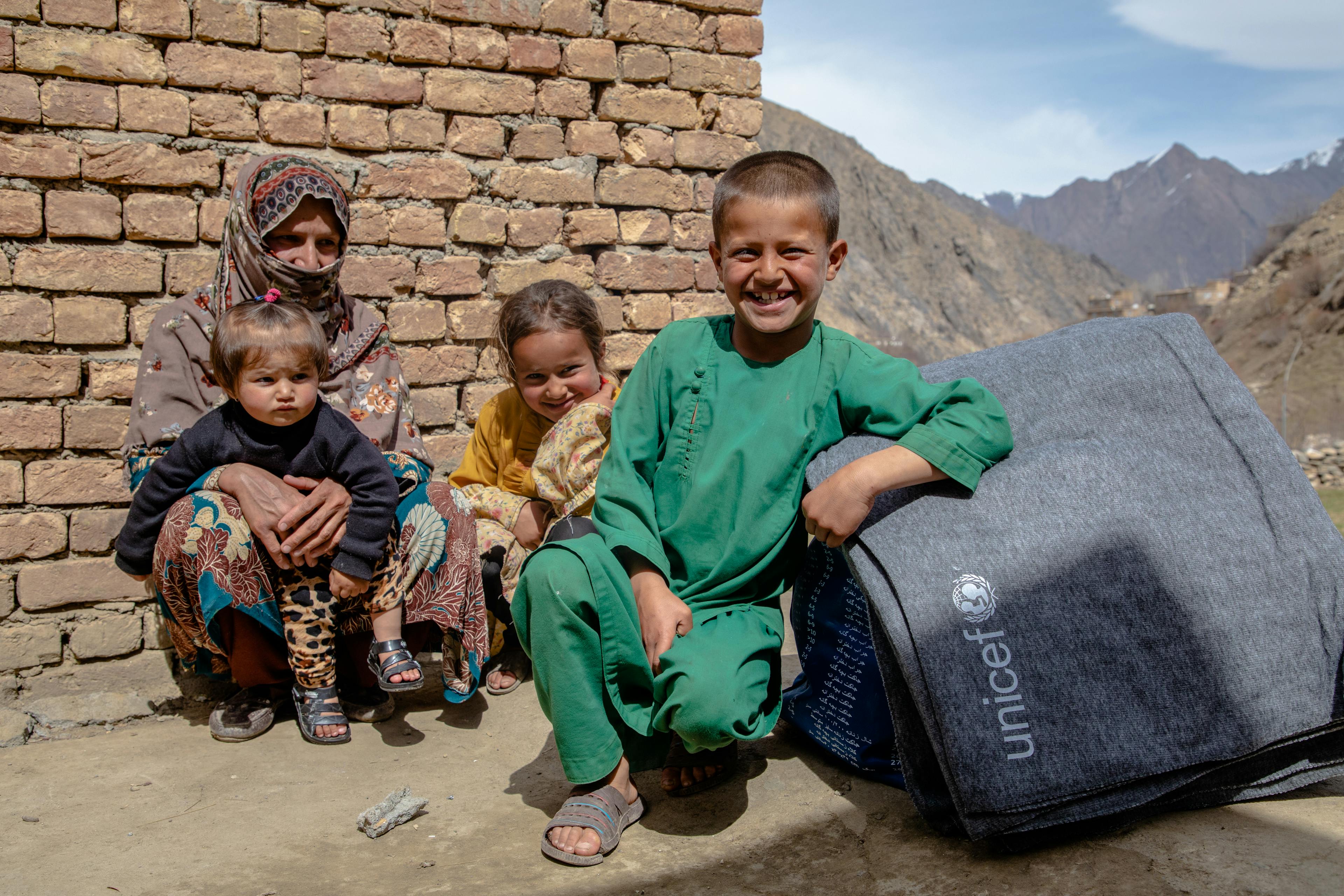
Razia and her six children open a winter clothing kit in Panjshir Province, Afghanistan. Razia was grateful for the winter clothes, but she is also worried about her children's health. At the time of this visit, one of her sons was sick with pneumonia and in Kabul with his grandparents.
Thanks to donor support, we achieved the following in 2025:
- Reached over 20 million people, including over 11 million children with essential health, immunisation and nutrition services, including providing more than 611,000 children (58% girls) under five years with life-saving treatment against severe acute malnutrition.
- Kept around 442,000 out-of-school children (65% girls) learning in community-based education classes, providing a continuous learning environment amidst restrictions and sudden onset disasters.
- Provided over 2.1 million people (54% children) with access to safe, clean drinking water.
- Reached more than 152,000 children and caregivers with mental health and psychosocial support.
- Supported over 87,500 vulnerable households, many of them affected by natural disasters, to meet their essential needs through unconditional cash transfers.
- Provided social and behaviour change interventions which reached more than 14 million people (37% children) with messaging on child rights and life-saving practices.
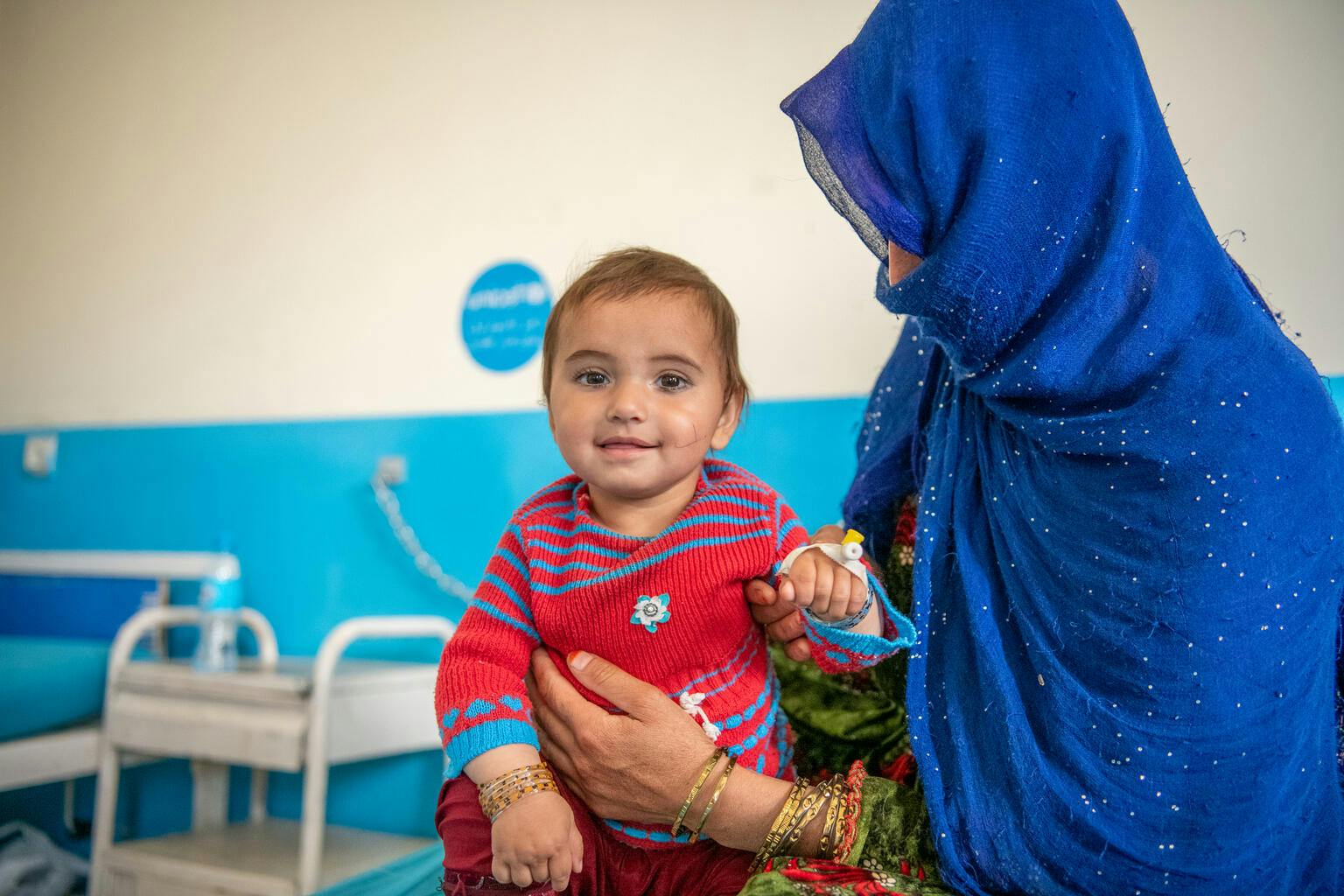
You can help parents in Afghanistan get essential support for their children.
Desperate mums and dads in Afghanistan are being forced to make near impossible choices. How do you choose between buying food or medicine for your child?
When Basmina’s daughter Adela got sick, she feared she would lose her little one. "For three days, Adela was constantly vomiting and experiencing diarrhoea," she recalls. Basmina took her daughter to a private clinic, but the prescribed treatment was too expensive.
“We couldn't afford to pay for it” says Basmina.
The family struggle to afford even basic meals, and Basmina had no money to pay for a taxi to reach the nearest hospital. All the while, Adela was getting worse.
In sweltering heat, her and her husband embarked on a two-hour journey on foot, carrying their sick daughter to the UNICEF-supported Wardak Hospital.
“I thought she wouldn't make it" says Basmina. But they got there just in time.
“Adela was frail and pale, even struggling to keep her eyes open” says Dr. Leila Anwari, paediatrician at Wardak Hospital. She diagnosed Adela with acute dehydration caused by acute watery diarrhoea.
Thanks to support from UNICEF and our donors, Adela received the immediate treatment she needed to help her recover.
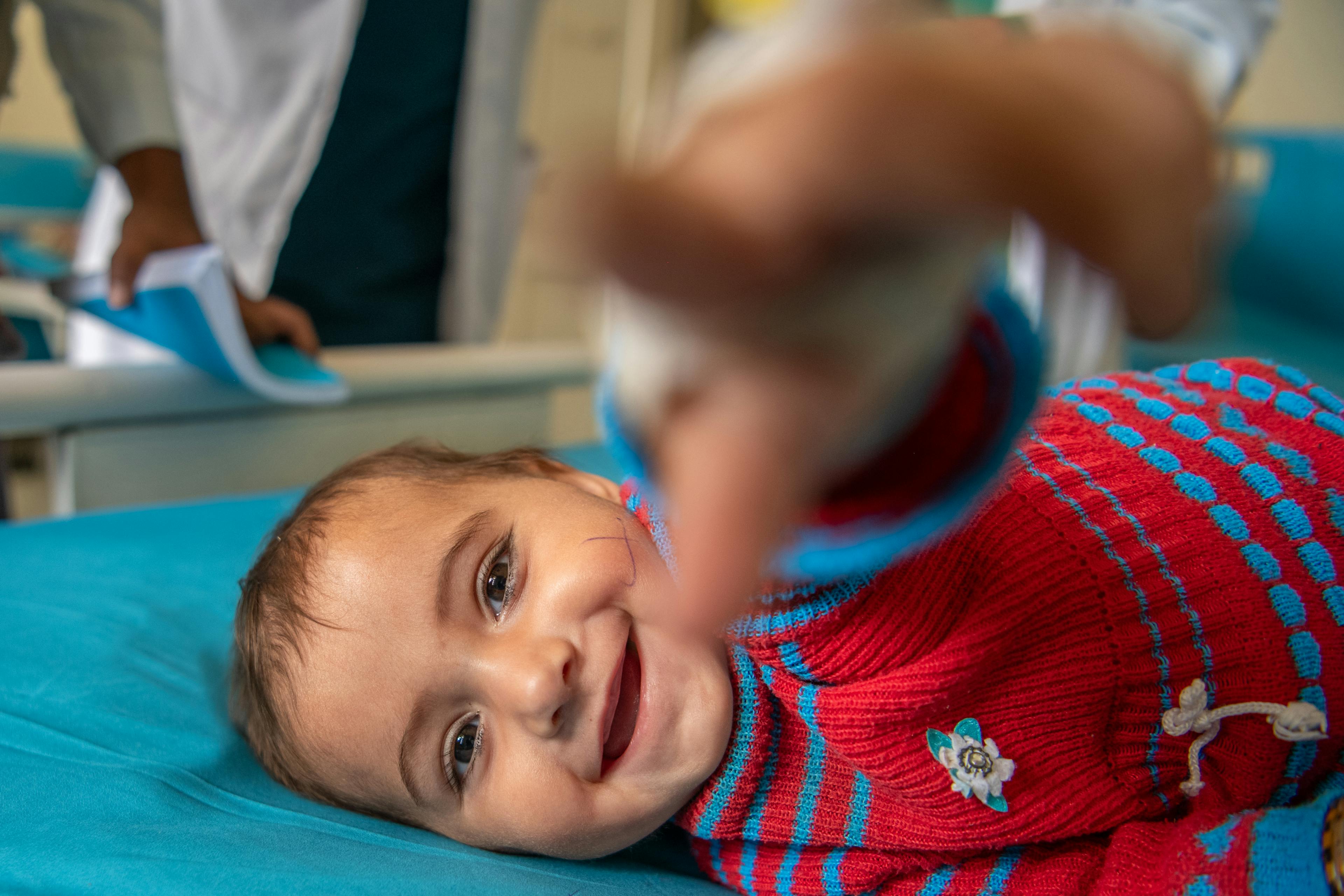
Adela is smiling and laughing again as she recovers from life-threatening case of acute watery diarrhoea.
Providing simple supplies like oral rehydration salts, water purification tablets and medicines, is helping save the lives of children like Adela.
Why donate to UNICEF?
UNICEF’s work is 100% donor funded. We rely on the generosity of people like you to deliver life-saving help and supplies to kids in 192 countries and territories around the world.
UNICEF has been supporting children and their rights for more than 75 years. We have decades of experience responding in emergency situations (300+ each year). And with a web of supply hubs and logistic networks across the world, and expert committed staff on the ground – we’re uniquely positioned to maximise the impact of every dollar donated.
We’ve been in Afghanistan since 1949 and we’re not going anywhere. We have offices and teams across the country, and in neighbouring countries, working around the clock to deliver for children.
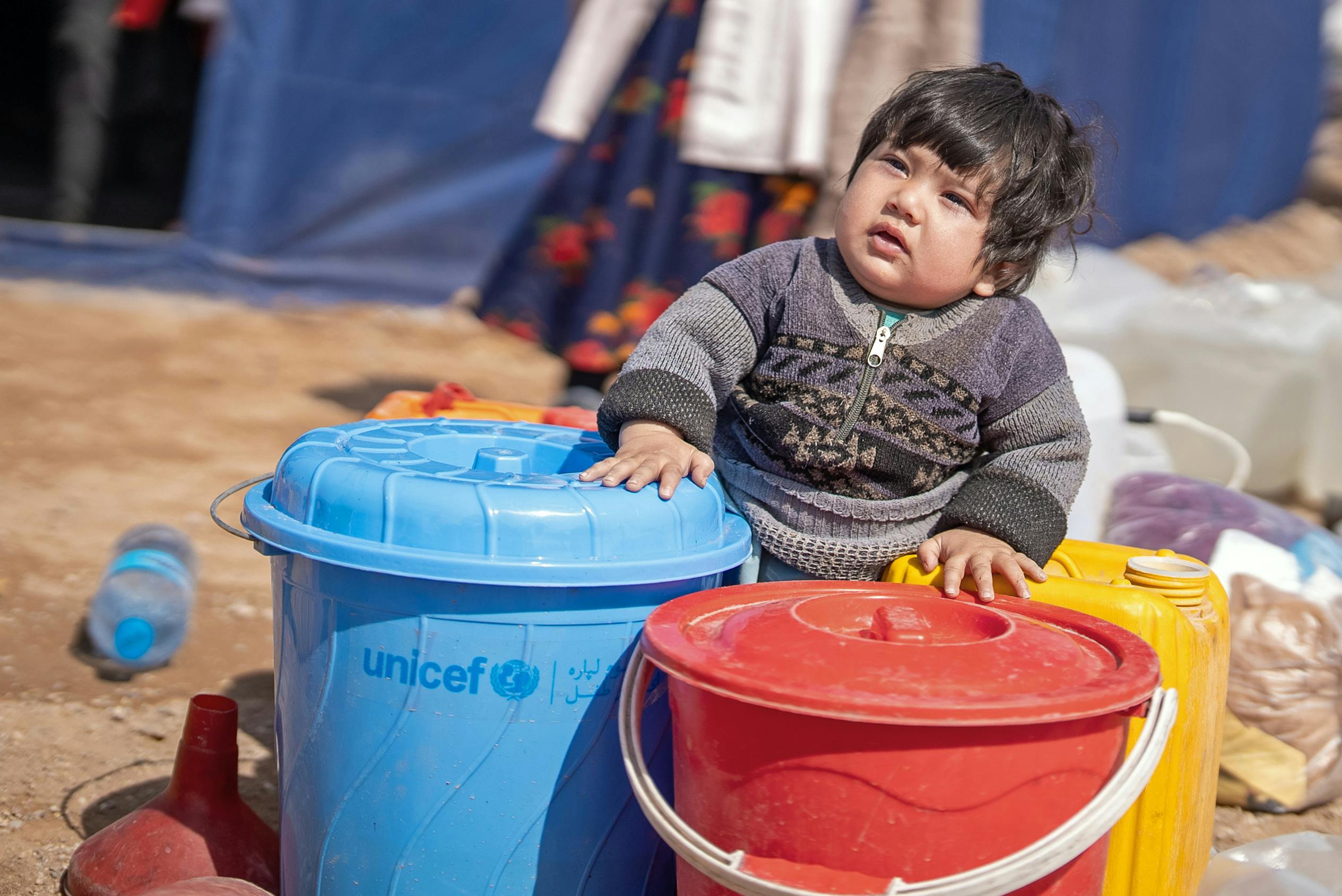
2 year old Mohammed sits with a water bucket provided by UNICEF in Koshkak village, Zinda Jan District, western Afghanistan.
Other ways you can donate
If you'd like to donate over the phone, call our friendly team on 0800 243 575.
If you'd like to donate direct to our bank account, please use account 01-0505-0463764-00 and code 'afg-ws'.
Other ways you can help Afghan children:
Help us spread awareness of the situation for kids in Afghanistan by sharing this appeal with your friends and family.
If you'd like to fundraise with your community to support our work, you can start a fundraiser here.
Disclaimer:
In the event that funds raised exceed UNICEF's funding requirements, the appeal no longer needs funding, or the decision is made to close this appeal, your one-off or ongoing monthly donation will go to our Greatest Need Appeal. Where possible we will communicate this with you, however in some circumstances this might not be possible.
Your life-saving monthly donations will support this appeal for a period of six months. After that they will go into our Greatest Need Fund to save and protect kids worldwide.
UPDATED: 24th March, 2026
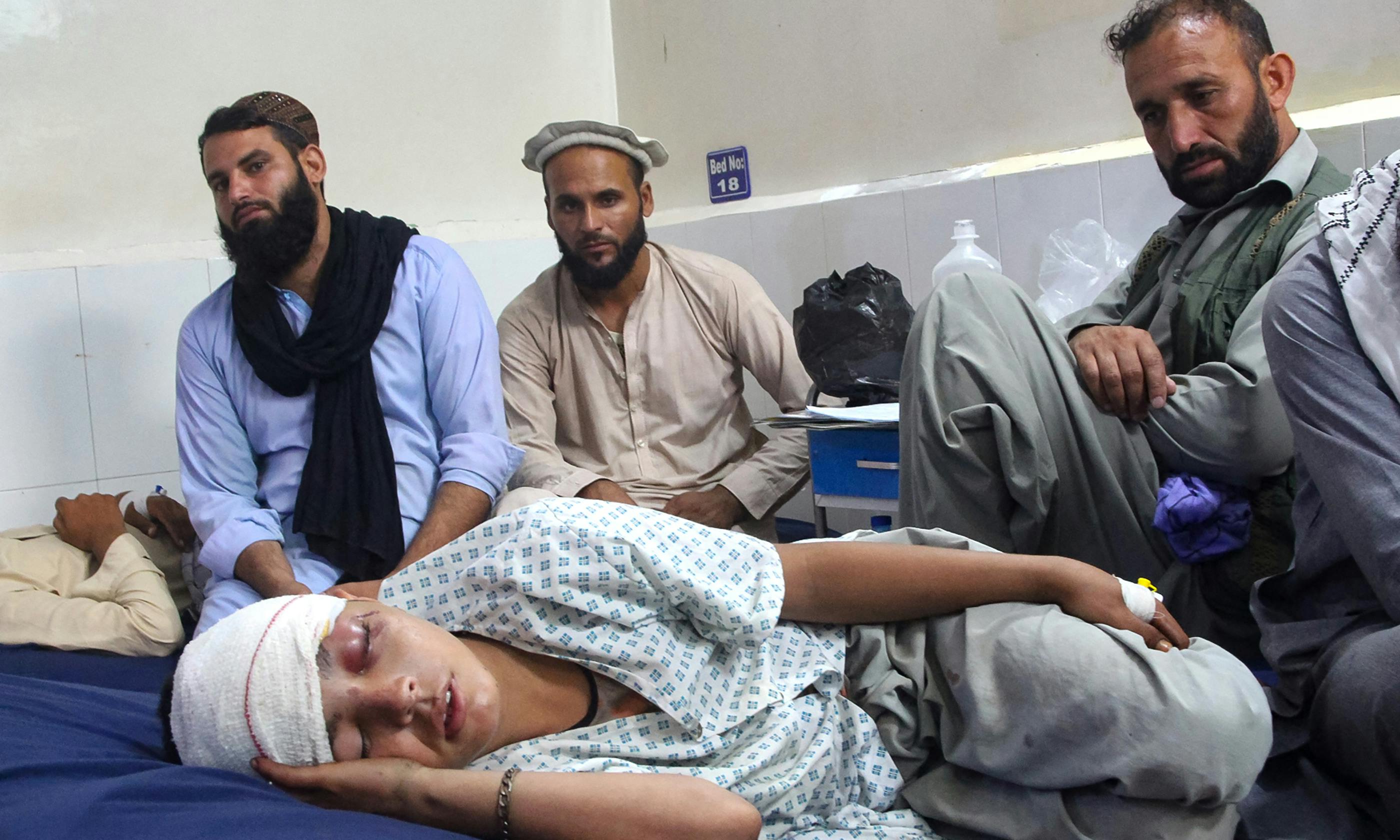
Thousands of children at risk after devastating earthquake hits eastern Afghanistan
Statement by UNICEF Afghanistan Representative, Dr. Tajudeen Oyewale, on the earthquake in Nangarhar and Kunar provinces
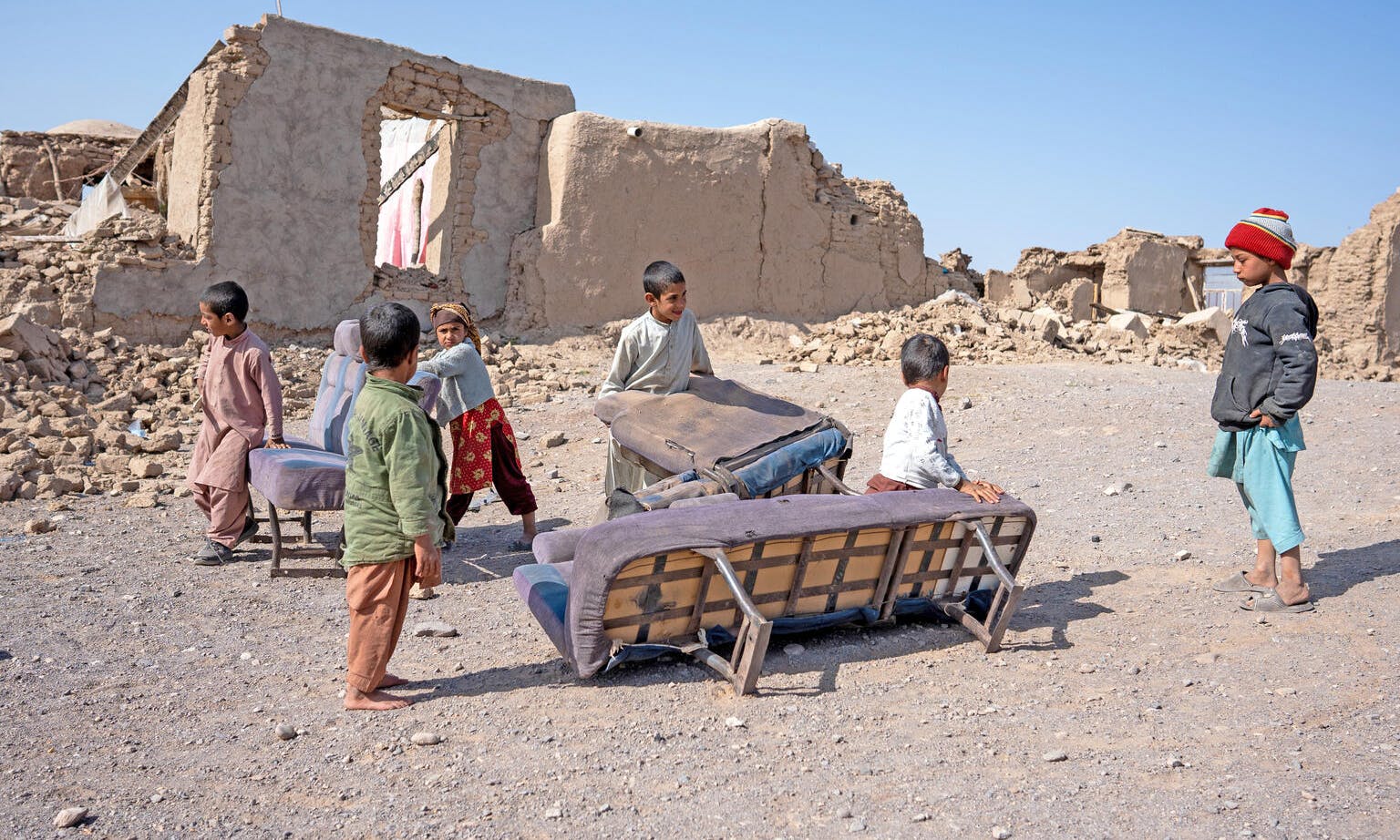
96,000 children affected by earthquakes in western Afghanistan in dire need of support this winter
100 days after the earthquakes, UNICEF calls for greater healthcare, clean water and sanitation services for children suffering life-threatening winter conditions. Over 1,000 people, most of whom were women and children, lost their lives in Afghanistan’s earthquakes last October. In addition, 31,000 homes were destroyed, or severely damaged, and countless families lost livelihoods, livestock and crops. Three months on, the impact of Herat’s earthquakes lingers.
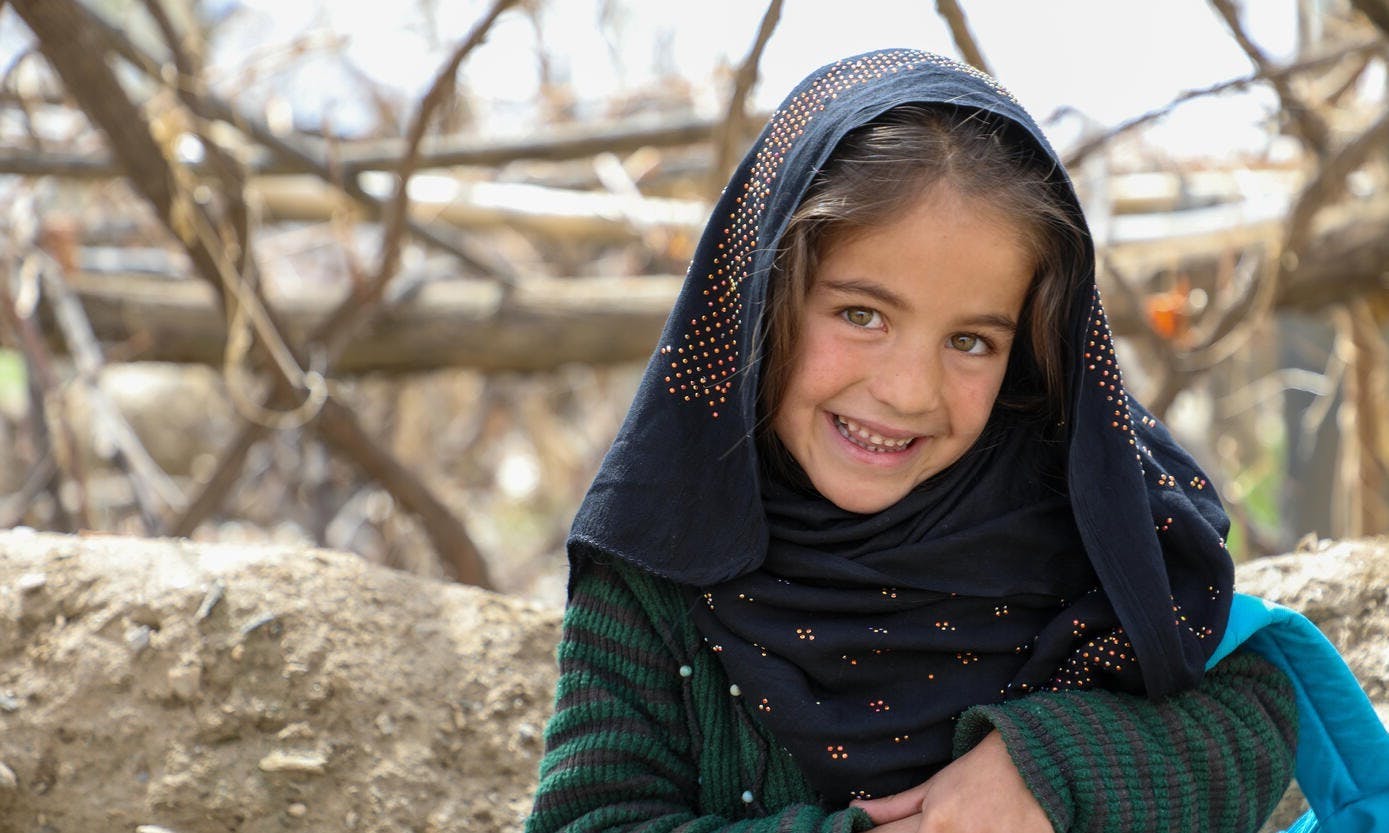
Making an impact during a tough year for kids in Afghanistan
Afghanistan is one of the toughest places for a child to live. This was made worse in 2022 when the country was hit by earthquakes, disease outbreaks, and flash floods.
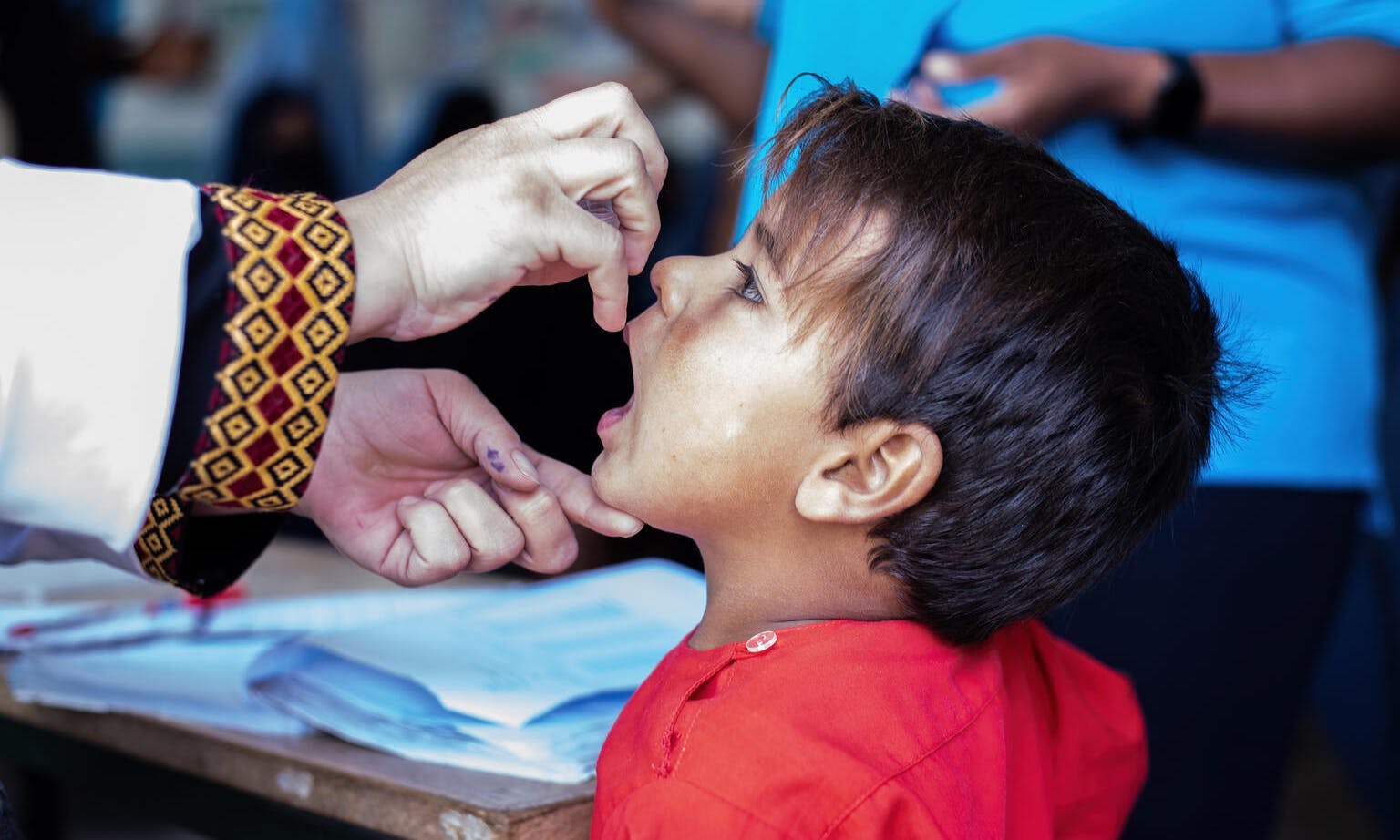
Two drops is all it takes to protect a child from polio
With only one case of poliovirus reported in 2021, Afghanistan has an extraordinary opportunity to eradicate polio. The recent vaccination campaign is crucial for preventing resurgence of polio within the country.
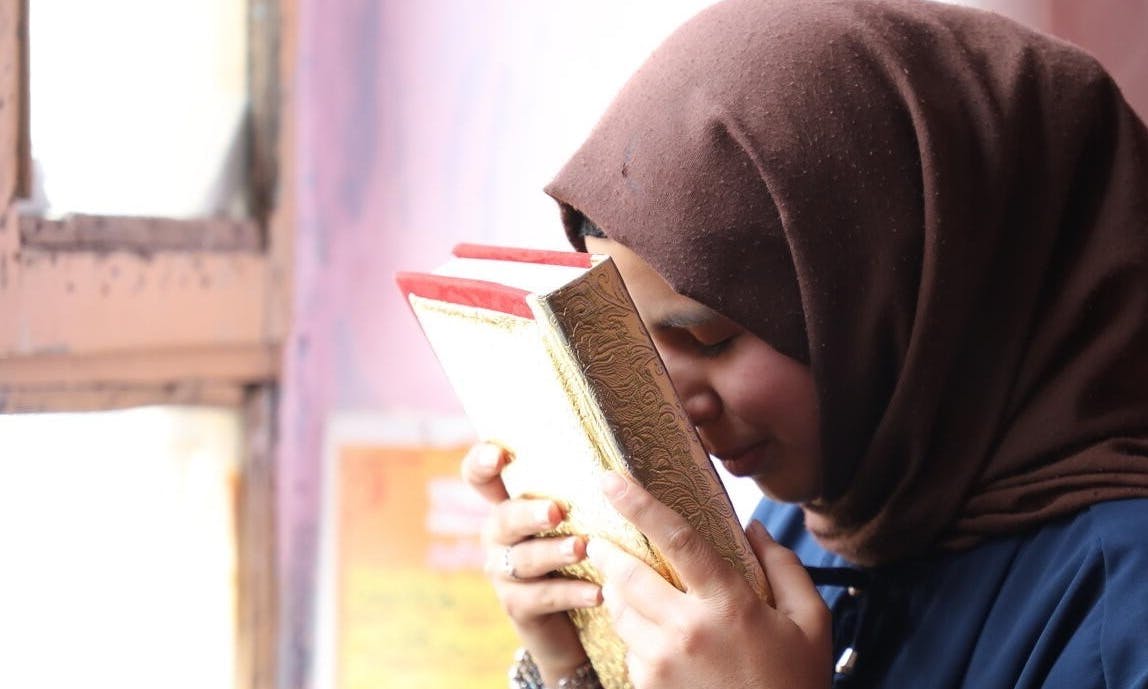
Girls in Afghanistan: One year on
In August 2021, the Taliban regained power in Afghanistan. The takeover has crippled social services, such as health and education. Girl's grade 7-12 have been banned from continuing their education.